
The History of the American Bully in Australia
The Early Days of the American Bully in Australia
Today, the American Bully is far more established in Australia than it was during its early years, with greater access to quality bloodlines, breeder education, and a clearer understanding of breed type and standards.
With established bloodlines, breed organisations, educational resources, and clear class divisions, it’s easy to forget how different things were when the breed first arrived on Australian shores.
In the early years, Australian breeders were largely pioneers. Information about the breed was limited, social media was still developing, and there were very few reliable resources available to help breeders understand what a true American Bully should look like.
Unlike today, there were no detailed visual diagrams explaining breed type, structure, class sizes, or breeding goals. Most breeders relied on photographs, online forums, word-of-mouth information, and the reputation of overseas kennels.
For many Australian enthusiasts, importing was the only option.

The Cost and Risk of Early Importation
Importing an American Bully into Australia was never a simple process.
The costs were significant, often reaching tens of thousands of dollars once purchase price, veterinary requirements, quarantine regulations, transport, import permits, and freight were included.
The process was also lengthy, often taking many months from purchase to arrival.
Unfortunately, not every import story had a happy ending.
Some Australian breeders were scammed and never received the dog they paid for. Others received dogs that looked very different from the photographs they were shown. In some cases, heavily edited, altered, or carefully selected images created unrealistic expectations.
Many breeders invested substantial amounts of money into dogs they had never physically seen, taking a leap of faith based on limited information and trust in overseas sellers.
The challenges extended beyond importing live dogs. Frozen semen imports were also costly, time-consuming, and heavily regulated. Australian breeders often invested thousands of dollars and waited months to gain access to proven overseas bloodlines, making it another significant financial risk undertaken in the pursuit of improving and advancing the breed within Australia.
As quality bloodlines became established within Australia, demand for locally bred puppies from imported parents increased significantly. Top-pick puppies from import-to-import breedings often sold for many thousands of dollars, with some exceeding $10,000. In certain cases, exceptional puppies with rare features, sought-after pedigrees, or outstanding breed type commanded prices equal to—or even greater than—imported American Bullies.
Despite the risks, costs, and uncertainty, these early imports would ultimately help establish the foundation bloodlines of the Australian American Bully. The breed’s growth and development in Australia would not have been possible without the breeders who were willing to take those chances and invest in its future.
Looking back, many of these breeders were importing blind compared to the resources available today.
The Reality of Early American Bullies
It is important to remember that the American Bully itself was still developing during these years.
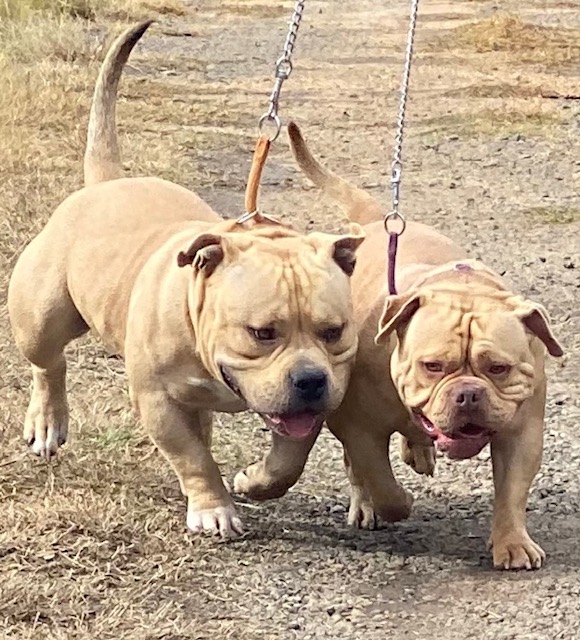
Many imported dogs that arrived in Australia would not necessarily meet today’s standards for class size, structure, movement, or overall quality. Some dogs marketed as Pocket Bullies would be considered Standard or Classic sized by modern measurements and some lack breed type significantly.
However, at the time, these dogs represented some of the best examples available.
The breed was evolving rapidly, and breeders around the world were learning what worked and what didn’t. Expectations that seem obvious today were often unclear or undefined back then.
Without established visual standards and decades of breeding history, consistency was difficult to achieve.
The Foundation Years of the American Bully in Australia
During the early years of the American Bully in Australia, quality breeding stock was extremely limited. Importing dogs from overseas was expensive, time-consuming, and carried significant risk. With import costs often reaching many thousands of dollars and only a small number of American Bullies available locally, breeders faced a difficult challenge in developing their programs.
As a result, some breeders introduced other bully-related breeds in an attempt to achieve certain traits or expand their breeding options. Breeds such as the American Staffordshire Terrier, English Staffordshire Bull Terrier, British Bulldog, American Bulldog, and French Bulldog found their way into some programs during this period.
It is important to view this through the context of the time. The Australian American Bully community was still in its infancy, reliable information was scarce, and quality imports were limited. Many breeders were working with the resources available to them while trying to establish and improve the breed within Australia.
For the Pocket Bully in particular, true American Bully-to-American Bully breeding was relatively uncommon during the early years. Access to established Pocket Bully bloodlines was limited, and many breeders simply did not have the depth of quality stock available that exists today.
While some of the early dogs would not necessarily meet modern breed standards for type, structure, size, or overall quality, they represented the foundation of the breed in Australia. These dogs and the breeders behind them helped create the platform from which the breed would continue to develop.
The Rise of the Pocket Bully in Australia
The development of the Pocket Bully in Australia accelerated significantly from 2016 onwards. As larger numbers of quality Pocket Bullies were imported from established overseas programs, breeders gained access to a broader and more diverse gene pool than ever before.
This period marked a major turning point for the breed. With increased access to proven bloodlines, breeders were able to focus on more consistent American Bully-to-American Bully pairings, particularly within the Pocket class. As a result, reliance on limited local bloodlines and alternative breeding strategies gradually decreased.
Between 2016 and the early 2020s, the Australian Pocket Bully underwent significant refinement. Improvements in breed type, structure, movement, temperament, consistency, and class sizing became increasingly evident as breeder knowledge expanded and the quality of breeding stock improved.
Breeders became more selective in their programs, focusing on producing dogs that met established Pocket Bully standards while preserving the key characteristics that define the American Bully breed.
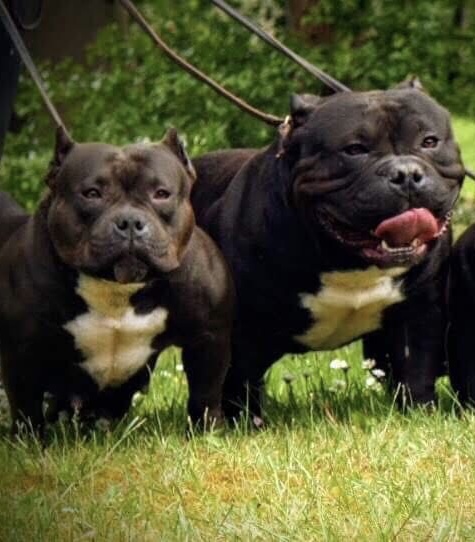
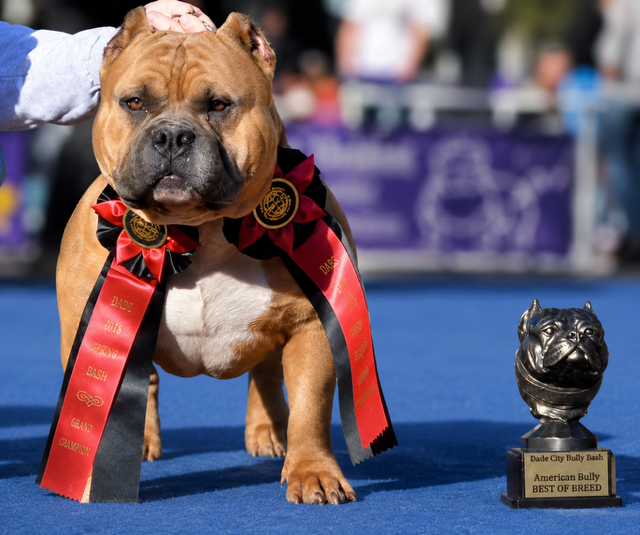
The Pocket Bully seen in Australia today is the result of years of selective breeding, imported bloodlines, and continual refinement. Compared to the early years, modern Pocket Bullies are generally more predictable in size, more consistent in type, and a stronger representation of the breed standard. While the breed continues to evolve, its current success is built upon the efforts, investments, and lessons learned from the breeders who helped establish its foundation in Australia.
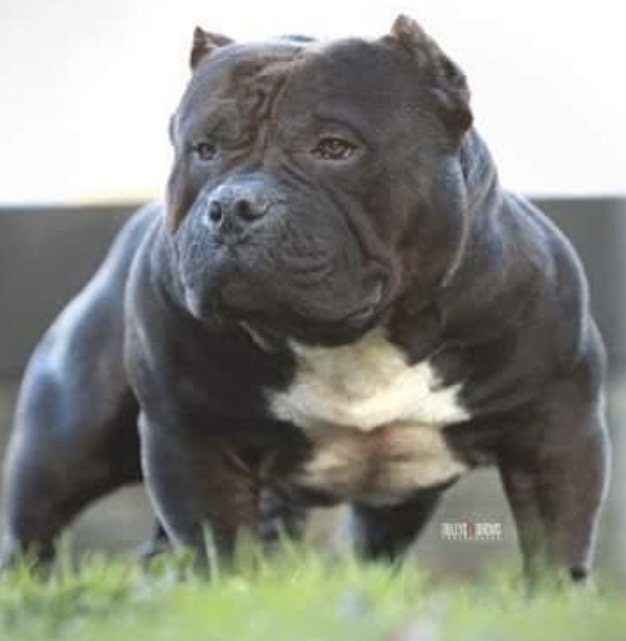
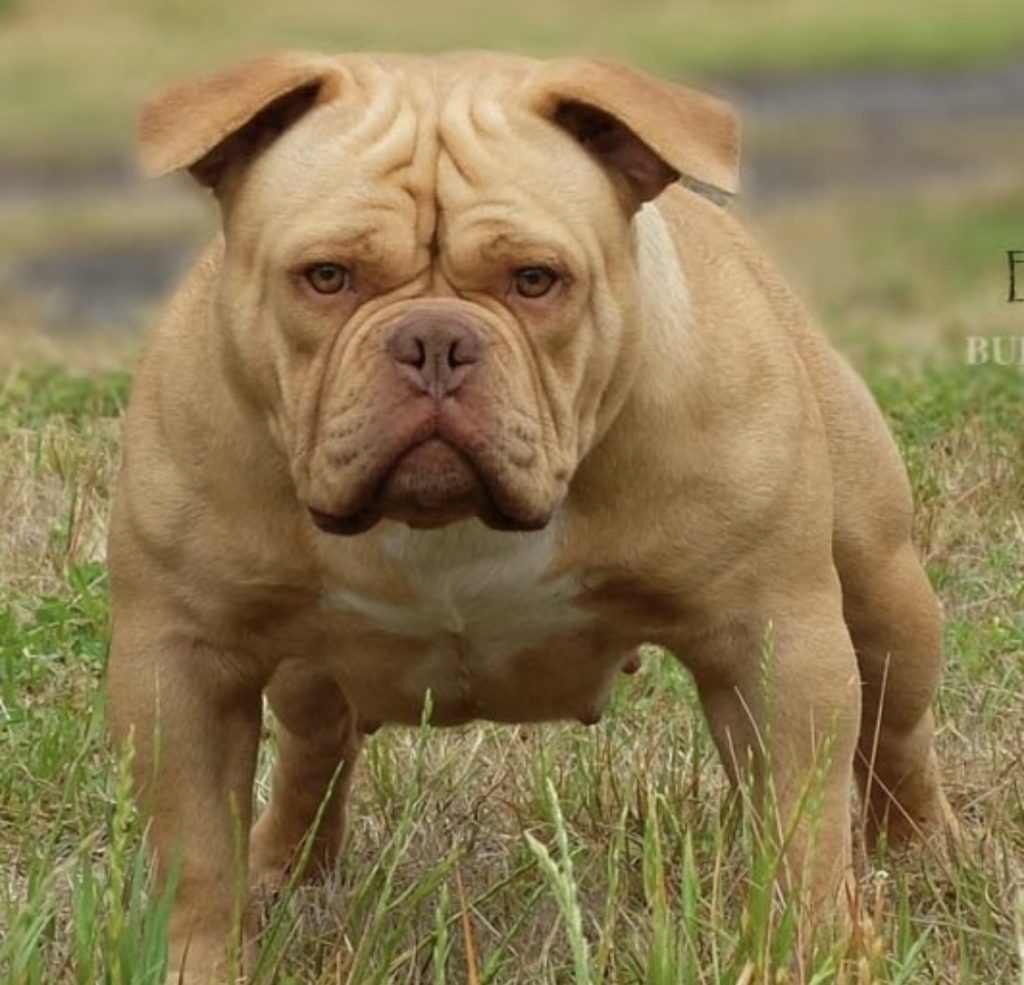
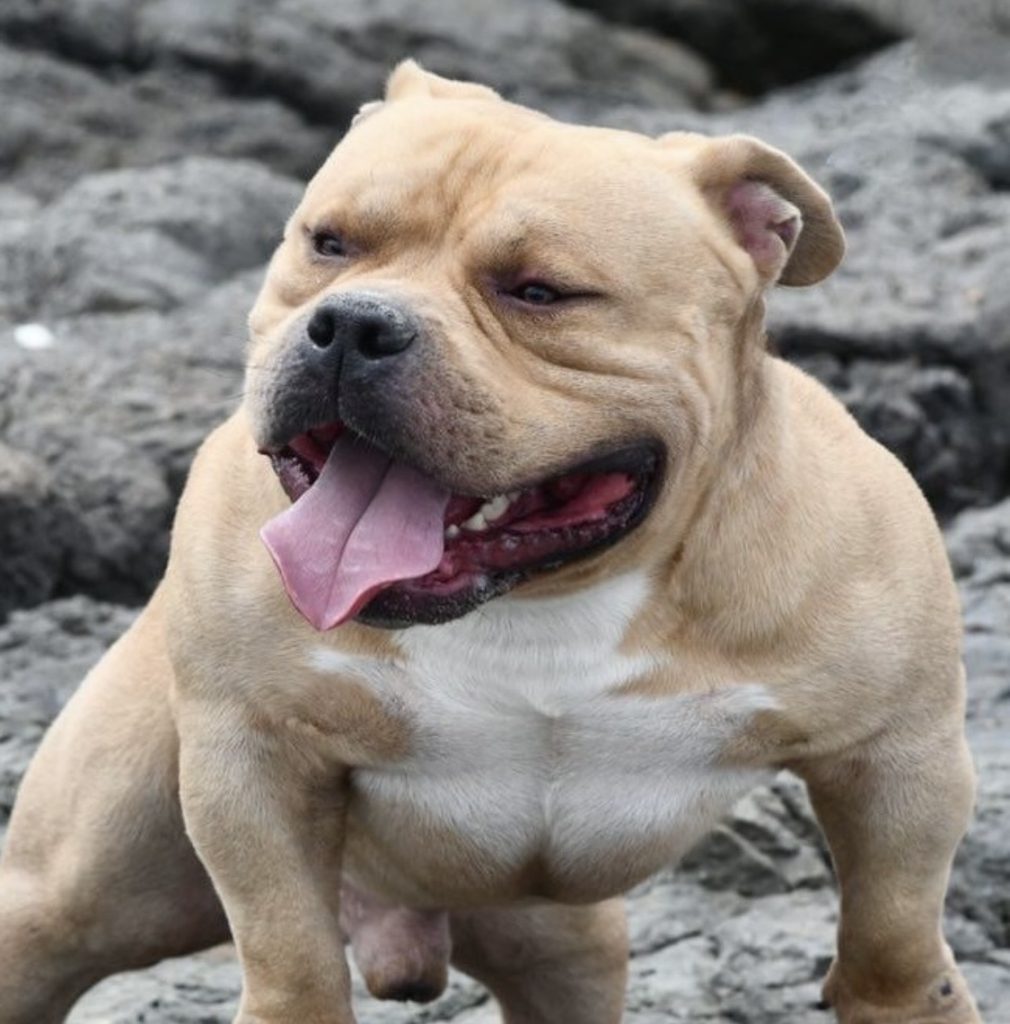
Respecting the Breeders Who Built the Foundation
It is easy to judge older bloodlines and breeding decisions through the lens of modern standards.
However, the reality is that many early breeders invested enormous amounts of time, money, and effort into building the foundation of the breed in Australia.
Most entered breeding fully aware of the risks and challenges involved. Anyone who keeps it real understands that breeding is always a gamble. No mating comes with guarantees, and every generation teaches new lessons.
Many of the dogs from the early days would not compete with the quality available today, but they served an important purpose. They laid the groundwork for future generations and helped establish the breed across Australia.
The American Bully of today is the result of decades of selective breeding, lessons learned, successes, failures, and continuous improvement.
Whether discussing Standard, XL, Classic, Micro/Miniature or Pocket Bullies, the breed would not be where it is today without the breeders who took those early risks, invested heavily into importation, and helped shape the Australian American Bully community into what it has become.
“Breeding has always involved risk, uncertainty, and a degree of gamble. The breeders of the early days invested heavily into a breed with limited information, limited bloodlines, and no guarantee of success. While not every decision stood the test of time, the American Bully in Australia would not be what it is today without those who took the chance and helped build the foundation.”
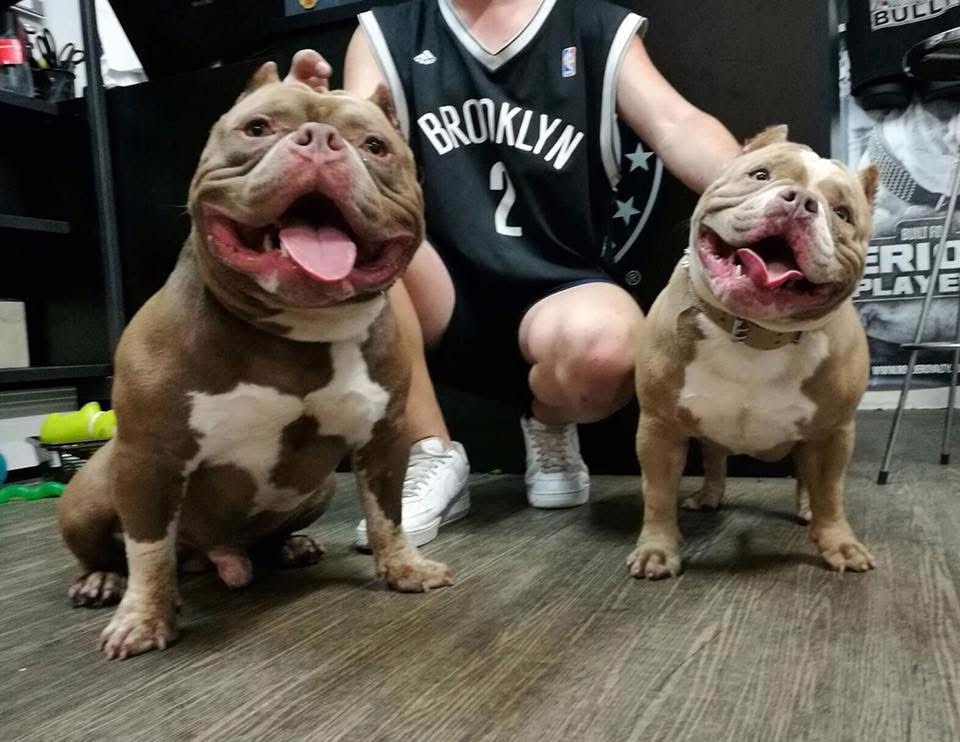
For more breed education, structure discussions, and American Bully resources, visit: