
Puppy Nutrition Guide: Feeding Your Pocket Bully Puppy for Strong Growth, Structure & Health
A Pocket Bully puppy is more than just a small dog with a big look. Their compact frame, heavy bone, muscular build, and powerful structure require the right nutrition from the earliest stages of life.
The goal is not to make a puppy grow as fast or as heavy as possible. The goal is controlled growth — building strong bones, healthy joints, quality muscle, and a stable body that can support their adult structure.
A well-fed puppy should be:
- Energetic and playful
- Lean but not skinny
- Developing steady muscle
- Growing evenly through the legs, chest, and body
- Maintaining good coat quality and skin health
1. Choosing the Right Puppy Food
The foundation of your Pocket Bully puppy’s diet should be a high-quality, complete and balanced puppy formula.
Look for food that contains:
✅ Quality Animal Protein
Protein provides the building blocks for:
- Muscle development
- Tissue repair
- Healthy growth
- Immune function
Good protein sources:
- Chicken
- Beef
- Turkey
- Lamb
- Fish
- Eggs
For a muscular breed like the Pocket Bully, quality protein is more important than simply chasing extremely high protein numbers.
✅ Healthy Fats
Fats are essential for:
- Brain development
- Skin health
- Coat quality
- Energy
Important sources:
- Fish oil
- Salmon
- Chicken fat
- Flaxseed
Omega-3 fatty acids (especially DHA and EPA) support developing puppies, including brain and eye development.
✅ Balanced Calcium & Phosphorus
This is one of the most important areas for bully breeds.
Many owners make the mistake of adding extra calcium because they want bigger bones.
Too much calcium can actually disrupt normal bone development.
A good puppy food already contains the correct calcium-to-phosphorus balance.
Avoid randomly adding:
- Extra calcium powder
- Large amounts of bone meal
- Human calcium supplements
unless advised by a veterinarian.
2. Feeding a Pocket Bully Puppy by Age
6–12 Weeks
At this stage puppies are developing rapidly.
Feed:
- 3–4 meals per day
- Small portions
- Puppy-formulated food
Focus on:
- Digestibility
- Consistent growth
- Healthy stool
- Good appetite
3–6 Months
This is the foundation-building stage.
Your puppy is developing:
- Bone structure
- Chest width
- Muscle attachment
- Movement
Feed:
- 3 meals per day
Avoid allowing excessive weight gain. A heavy puppy puts unnecessary stress on developing joints.
6–12 Months
Growth starts slowing, but muscle development continues.
Feed:
- 2–3 meals per day depending on the individual dog
Continue supporting:
- Lean muscle
- Joint health
- Athletic movement
3. Useful Supplements for Pocket Bully Puppies
Supplements should support a good diet — not replace one.
🐟 Omega-3 Fish Oil
One of the most beneficial additions.
Benefits:
- Healthy skin
- Shiny coat
- Supports inflammation control
- Supports brain development
- Supports joints
Look for:
- Salmon oil
- Quality fish oil containing EPA and DHA
🦴 Joint Support
Pocket Bullies are compact, muscular dogs that can benefit from early joint support.
Common ingredients:
Glucosamine
Supports cartilage health.
Chondroitin
Helps maintain joint structure.
Green-lipped mussel
A natural source of omega fatty acids and joint-supporting nutrients.
A good time to consider joint supplements:
- During rapid growth
- For heavy-built puppies
- For dogs with demanding activity levels
🥚 Whole Food Additions
Small amounts of fresh foods can add variety.
Examples:
Eggs
Provides:
- Protein
- Amino acids
- Vitamins
Lean meat
Provides:
- Natural protein
- Nutrients
Sardines (in water, no added salt)
Provides:
- Omega-3 fats
- Calcium from soft bones
Vegetables
Examples:
- Pumpkin
- Carrot
- Green vegetables
Can support digestion and stool quality.
4. What to Avoid Feeding a Pocket Bully Puppy
Avoid:
❌ Overfeeding to make them “look bigger”
❌ Excess calcium supplements
❌ Cheap filler-heavy foods
❌ Rapid weight gain
❌ Excess treats
❌ High-fat table scraps
A Pocket Bully should mature with:
- Thick bone
- Strong feet
- Good rear drive
- Tight waist
- Athletic movement
Not excess puppy fat.
5. The Importance of Gut Health
A healthy gut helps your puppy:
- Absorb nutrients
- Maintain immunity
- Digest food properly
Helpful additions:
Probiotics
Can support:
- Digestive balance
- Stool consistency
- Gut health
Especially useful during:
- Changing homes
- Food transitions
- Stress periods
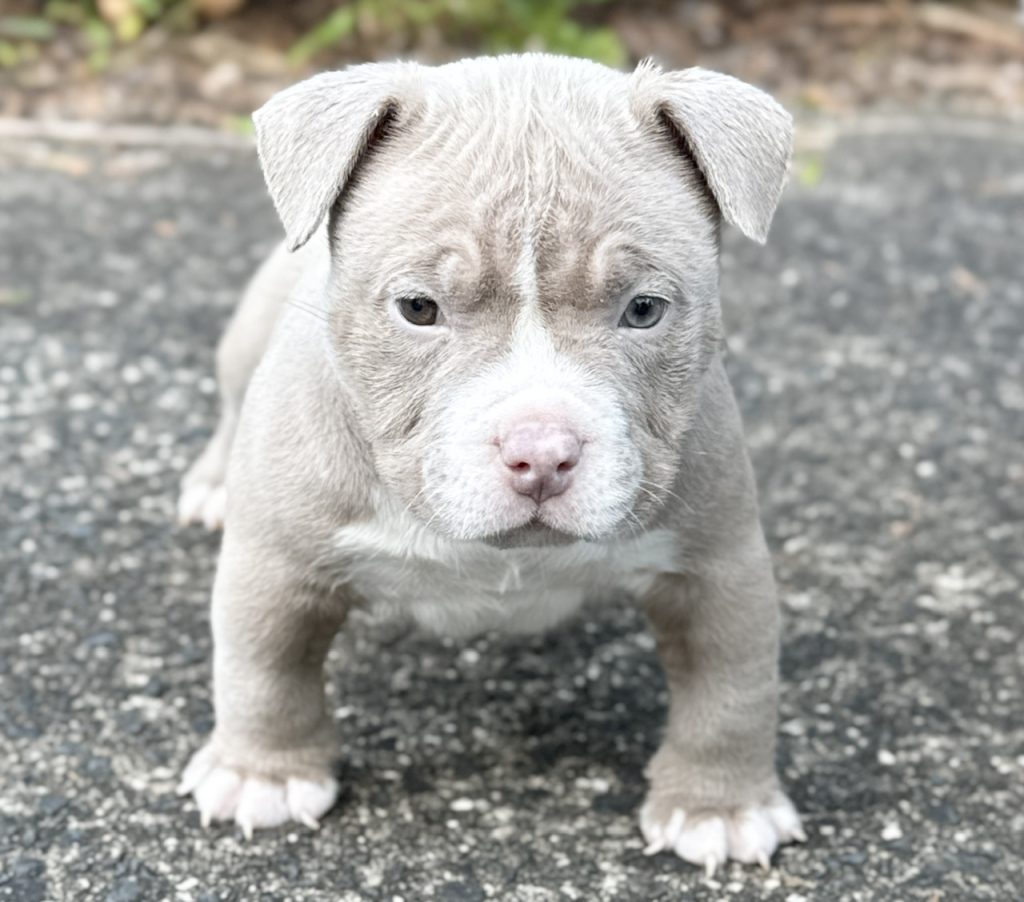
6. Feeding for the Future Athlete
A well-structured Pocket Bully is built through:
Genetics + Nutrition + Exercise + Development
Nutrition supports the structure your puppy inherited.
The best-looking adult bullies usually come from puppies that were:
- Raised lean
- Allowed controlled exercise
- Fed quality nutrition
- Given time to mature naturally
Remember:
You cannot feed a puppy into perfect structure — but poor nutrition can prevent a genetically gifted puppy from reaching its full potential.
Final Breeder Tip
For a Pocket Bully puppy, the ideal approach is:
✅ High-quality puppy food
✅ Controlled portions
✅ Omega-3 support
✅ Joint support when appropriate
✅ Fresh whole foods in moderation
✅ Healthy lean growth
A powerful adult bully is created over years — not weeks. The foundation starts from the first meal.
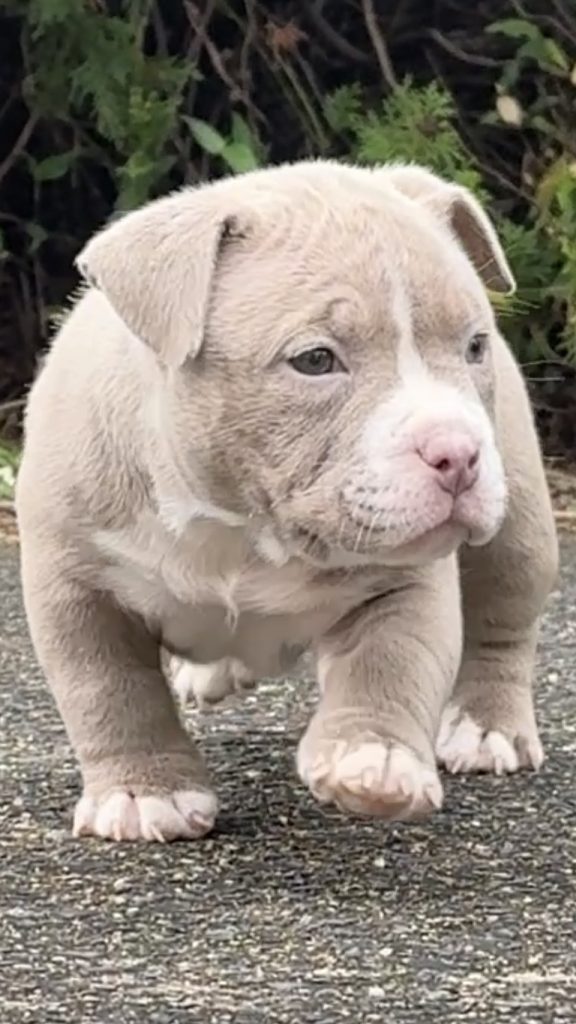
Looking for more tips? Explore our complete Puppy Care Guides, available here.
For more breed education, structure discussions, and American Bully resources, visit: