
Real Dogs, Real Quality: Evaluating American Bullies in the Age of AI and Social Media
Over the past decade, the American Bully has experienced an extraordinary rise in popularity. From Traditional and Classic Types to Modern Standard and Exotic Types, and across size classifications such as XL, Standard, Pocket and Micro, the breed has developed a diverse range of types that continue to attract enthusiasts around the world.
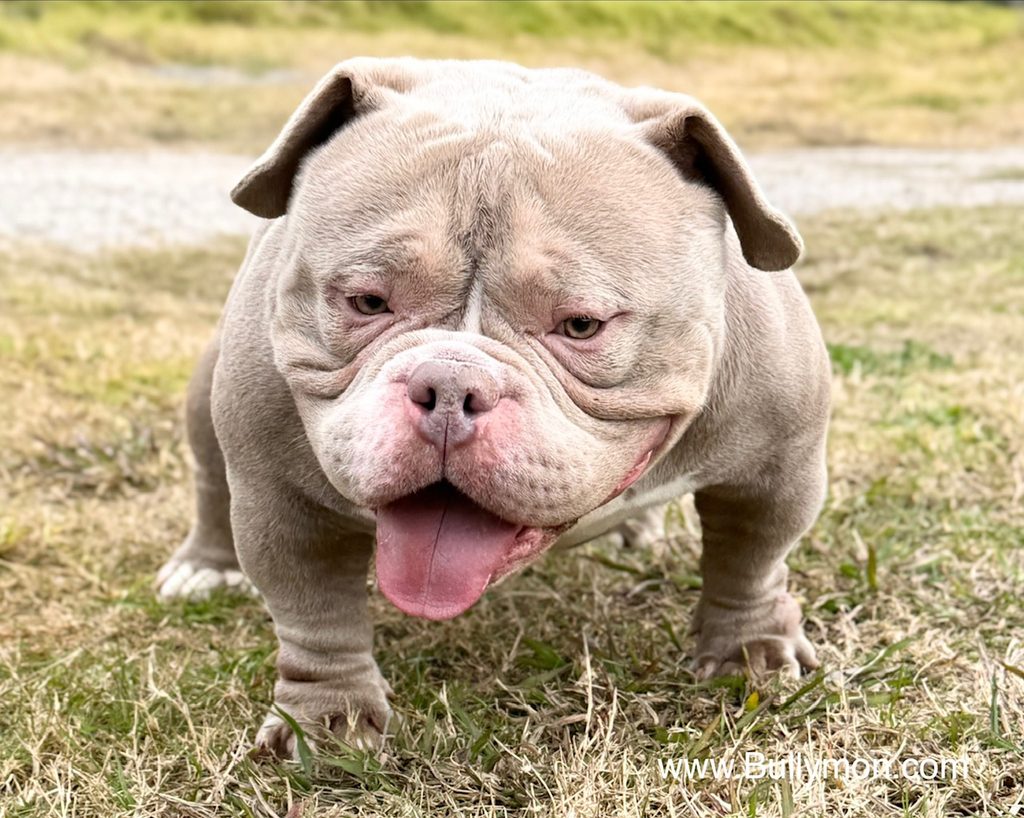
Social media is now filled with images of dogs displaying massive heads, heavy bone, broad chests, compact bodies and the powerful bully look that many enthusiasts admire. But in an increasingly digital world, what we see online does not always tell the full story.
As social media and artificial intelligence continue to influence how dogs are photographed, presented and even digitally enhanced, it has become more important than ever to distinguish real quality from digital illusion.
Today’s buyers have access to more photos, videos and online content than ever before. At the same time, expectations have risen dramatically, while producing a truly exceptional American Bully—one that looks impressive both on a screen and standing in front of you—remains one of the greatest challenges in modern breeding.
Topic discussion:
1. Introduction
2. The Challenge of Producing True Quality
3.Image Enhancement vs. Image Manipulation
4. Why Are AI and Altered Images Becoming More Common?
5. When Expectations Become Unrealistic
6. What Buyers Should Look For
7. The Future of the American Bully
Understanding the difference between professional presentation, image enhancement, and digital manipulation is becoming an important part of evaluating dogs in the age of AI and social media.
The Challenge of Producing True Quality
“The American Bully Was Designed to Stand Out! The American Bully was never meant to be an ordinary dog.“
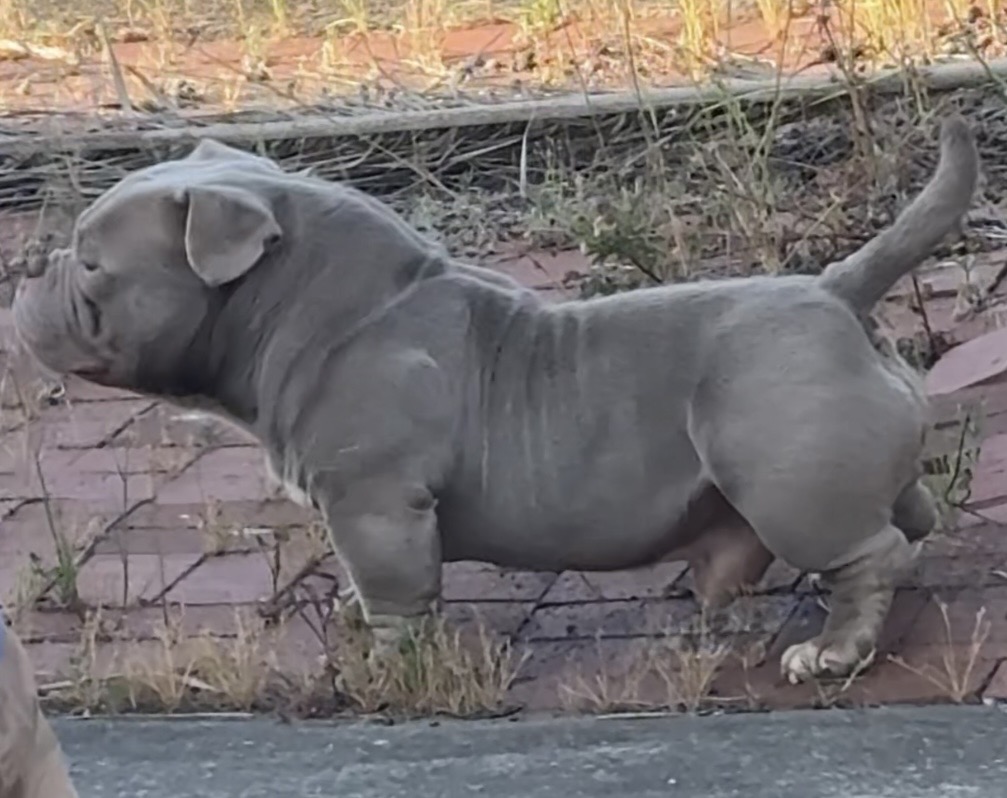
The breed was developed to have a unique and powerful appearance, with substantial bone, a broad body, a large head, strong muscle, and unmistakable bully presence.
These traits are what make the breed so appealing.
The challenge is that combining all of those qualities into one dog—while also maintaining health, sound structure, movement, temperament, and reproductive ability—is extremely difficult.
A dog may have a massive head but lack body substance. Another may have incredible bone but poor movement. Some dogs may be structurally sound but lack the overall breed presence that people are looking for.
Producing complete dogs generation after generation requires knowledge, patience, honest evaluation, and years of selective breeding. Understanding the different styles of American Bully can also help put these traits into context. While American Bully and Exotic Bully may share some characteristics, differences in structure, proportions and overall type are important when evaluating what you see online.
Learn more about American Bully Styles: American Bully vs Exotic Bully — Understanding the Difference
Why True Quality Is Hard to Achieve
As the breed has evolved, so have expectations.
Today’s buyers are not simply looking for a bully-type dog. They want a dog that combines:
- Strong breed type
- Large, proportionate head
- Thick bone
- Broad front
- Compact body
- Sound movement
- Good health
- Stable temperament
The reality is that these traits don’t always come together naturally.
Breeding two impressive dogs does not guarantee an impressive litter. Even the best breeding programs continue learning, refining, and working toward producing more complete dogs.
This is one reason why truly elite American Bullies remain rare despite the large number of dogs being bred around the world.
Image Enhancement vs. Image Manipulation
Before discussing AI-generated images and photo editing, it’s important to understand that not all image editing is misleading.
Most professional photos are enhanced in some way. Improving brightness, colour, sharpness, contrast, or slightly blurring the background helps create a cleaner and more professional image.
These adjustments do not change the dog itself.
The problem begins when editing changes the physical appearance of the dog.
When Photo Editing Becomes Misleading
There is a clear difference between enhancing a photograph and altering the dog itself.
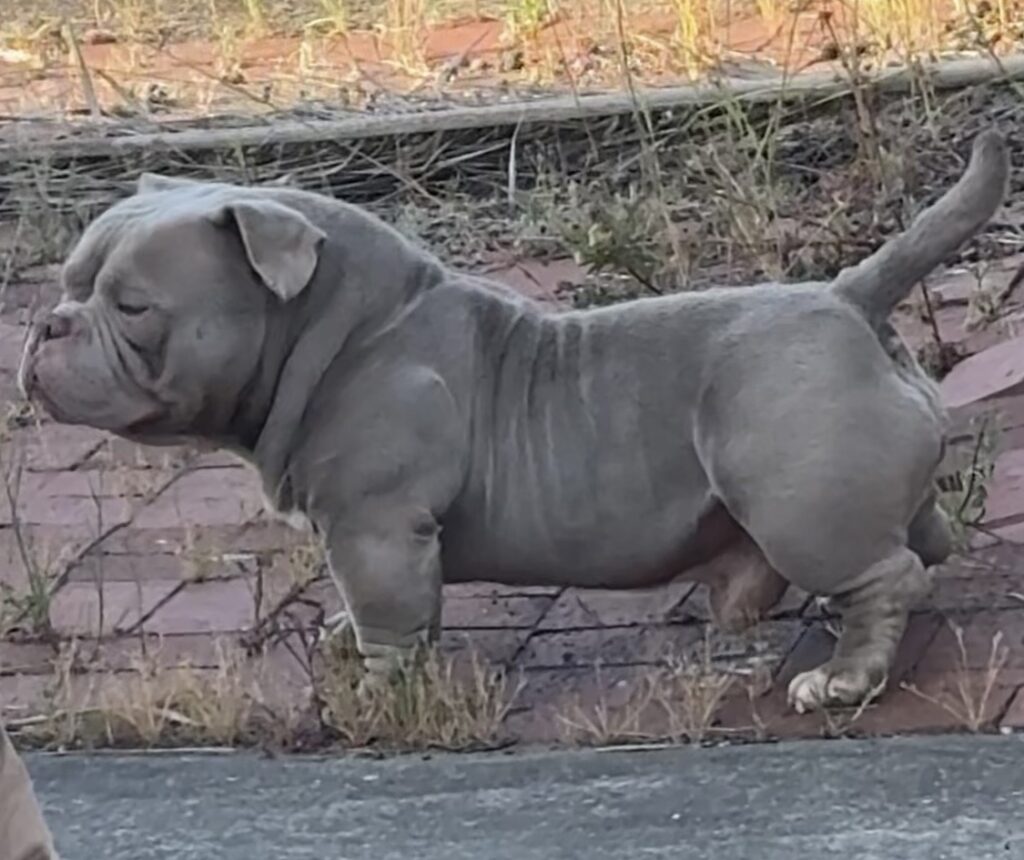
Normal photography adjustments such as lighting, exposure, cropping, background removal or colour correction are generally part of presenting a photograph clearly. Perspective can also naturally affect how a dog appears. A close-up or wide-angle photograph, for example, can make the head appear larger or the body look different without the dog itself being digitally altered.
The concern begins when Photoshop or generative AI is used to change the dog’s actual appearance — making the head larger, muzzle shorter, chest wider, bone heavier, muscles more developed, wrinkles deeper or proportions more extreme than they are in reality.
At that point, the image is no longer simply enhancing the photograph. It is creating a different representation of the dog.
This becomes particularly misleading when the altered image is presented as though it accurately shows what the dog genuinely looks like, especially when those images are used to promote a breeding program or advertise puppies.
What Buyers Should Look For
When evaluating a breeder or breeding program, look beyond the most dramatic photographs.
Look for:
- Unedited or minimally edited photographs
- Videos showing the dog from different angles
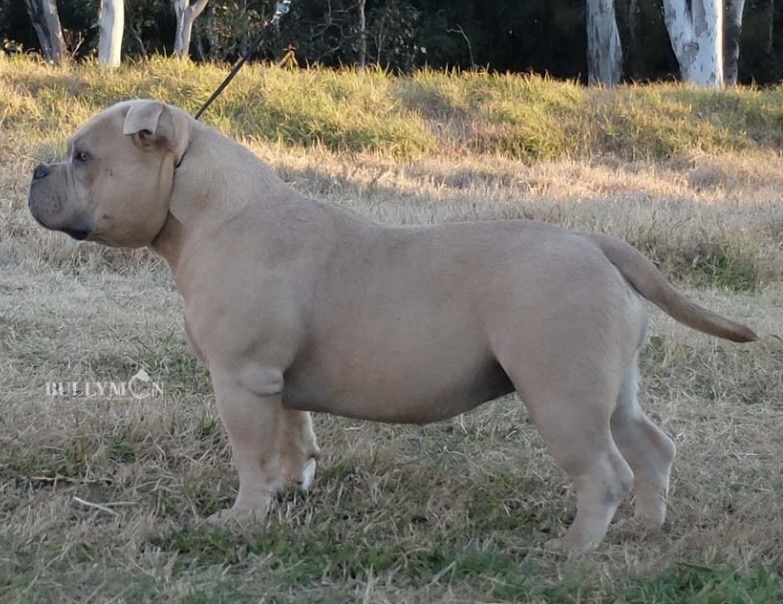
- Dogs standing and moving naturally
- Consistent appearance across different photographs and videos
- Recent content rather than only highly polished promotional images
- Clear representation of the actual parents behind a litter
A dog should be impressive without needing to be digitally made more extreme, bigger, shorter, taller etc.
In an age where AI and advanced photo editing can make almost any dog appear wider, thicker, more muscular or more exaggerated, learning to recognise the difference between presentation and manipulation is becoming an important part of evaluating dogs honestly.
This can include making a dog appear:
- Shorter than it really is
- Wider than it really is
- More heavily boned
- Thicker through the body
- More muscular
- Larger headed
- More compact
- More exaggerated overall
At that point, the image is no longer showcasing the dog. It is showcasing a digitally altered version of the dog.
Why Are AI and Altered Images Becoming More Common?
The answer is simple: expectations have become incredibly high.
Social media rewards eye-catching content, and the most visually impressive dogs often receive the most engagement.
As expectations continue to rise, digital editing tools and AI-generated imagery have become increasingly common across social media and online marketing.
Modern technology can make a dog appear wider, lower, thicker, and more extreme than it actually is.
The issue isn’t that impressive dogs don’t exist.
They absolutely do.
Some American Bullies genuinely possess the head size, bone, body mass, and breed presence that people often associate with AI-generated images. These dogs are real and are the result of years of careful breeding.
The concern is when editing or AI is used to make a dog appear more impressive than it actually is by changing its proportions, structure, or overall breed type.
For buyers, this can make evaluating dogs more difficult. Purchasing decisions are often based on photographs, and when images no longer accurately represent the dog, it becomes harder to compare breeding programs and make informed decisions.
When Expectations Become Unrealistic
One downside of altered images is that they can create unrealistic expectations.
Newcomers to the breed may spend months looking at edited or AI-generated images and begin believing that every high-quality American Bully should look exactly like those pictures.
When they eventually see real dogs in person, they may be disappointed or confused.
The truth is that quality should be judged by the actual dog—not by digital enhancements. Size is another area where online images can create unrealistic expectations. XL, Standard, Pocket and Micro refer to size classifications, but size alone does not determine the dog’s overall style, structure or quality.
Learn more about American Bully Size Comparison
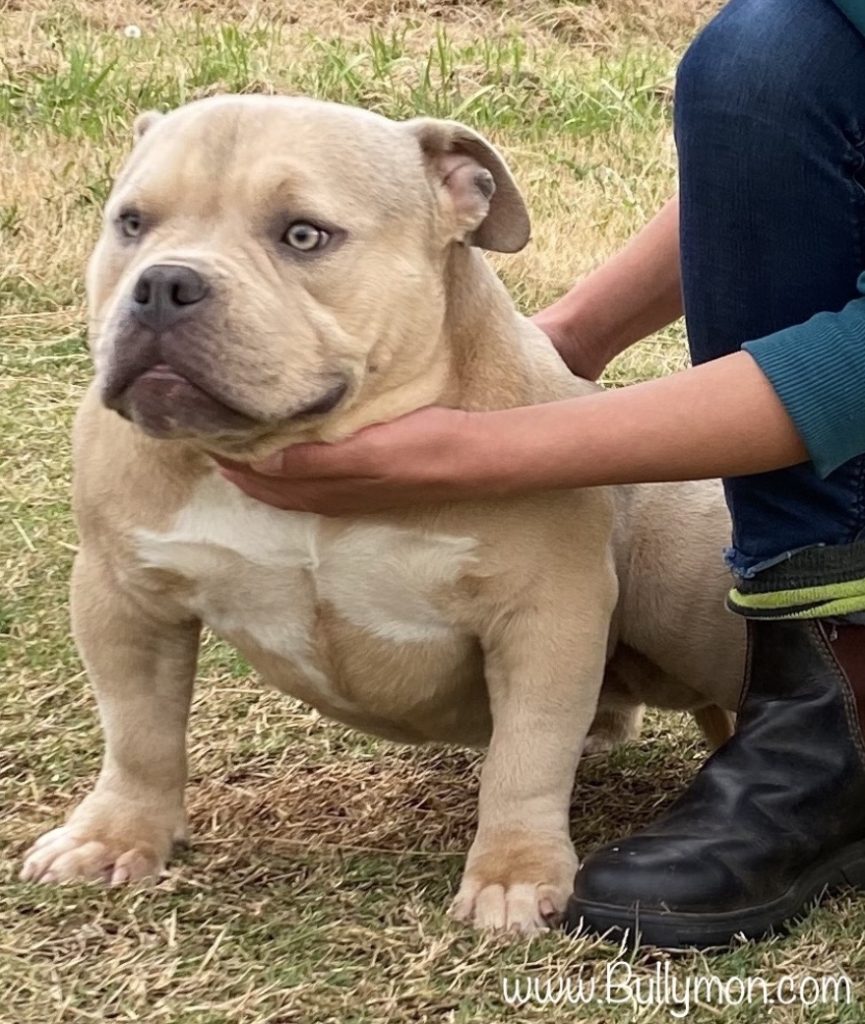
A truly exceptional dog should be impressive both online and standing in front of you.
What Buyers Should Look For
Whether you’re looking for a show prospect, future breeding dog, or simply a family companion, it’s important to evaluate more than a single photograph.
Ask for:
- Multiple photos from different angles
- Videos of the dog moving naturally
- Recent images
- Information about health and temperament
- Photos of relatives and offspring when available
Quality should be visible consistently across photographs, videos, and in-person visits.
If a breeder consistently presents only heavily altered images and cannot provide additional photos, videos, or opportunities to see the dog naturally, buyers should take extra time to evaluate the dog before making a decision.
Remember, you’re buying a real dog—not a social media image.
The Future of the American Bully
The future of the American Bully will not be determined by AI, photo editing, or social media trends.
It will be shaped by breeders who continue striving to produce complete dogs that combine breed type, structure, health, temperament, and overall quality.
The American Bully was created to be a distinctive, powerful, and visually impressive breed. That should never change.
As the breed continues to mature, the dogs that leave the greatest impact will be those whose quality can be seen not only in photographs, but also in real life.
Genuine quality speaks for itself, whether viewed in photographs, videos, or in person.
In the end, real dogs—not edited images—will define the future of the American Bully.
For more breed education, structure discussions, and American Bully resources, visit: