The future of the American Bully breed
Following ABKC President Dave Wilson’s announcement of the Nationals Alternative Variety Showcase, the alternative variety includes Miniature Bully (Micro Bully), Blotch Bully (Merle Bully) and Extreme Bully. The American Bully community has expressed mixed reactions.
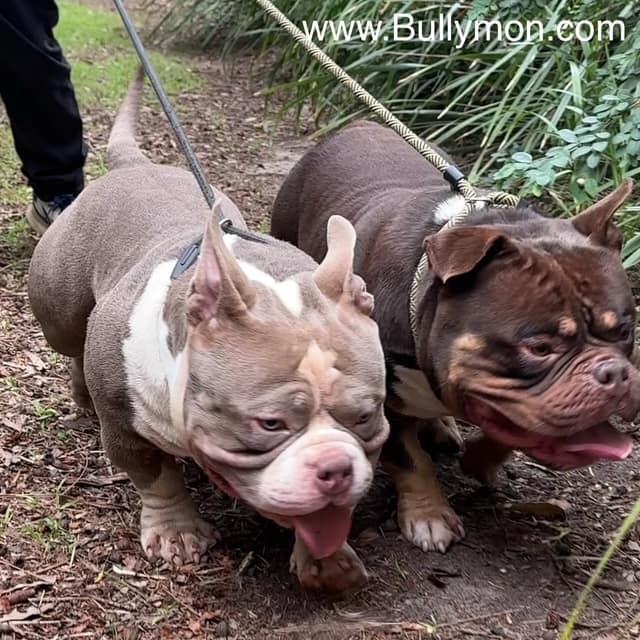
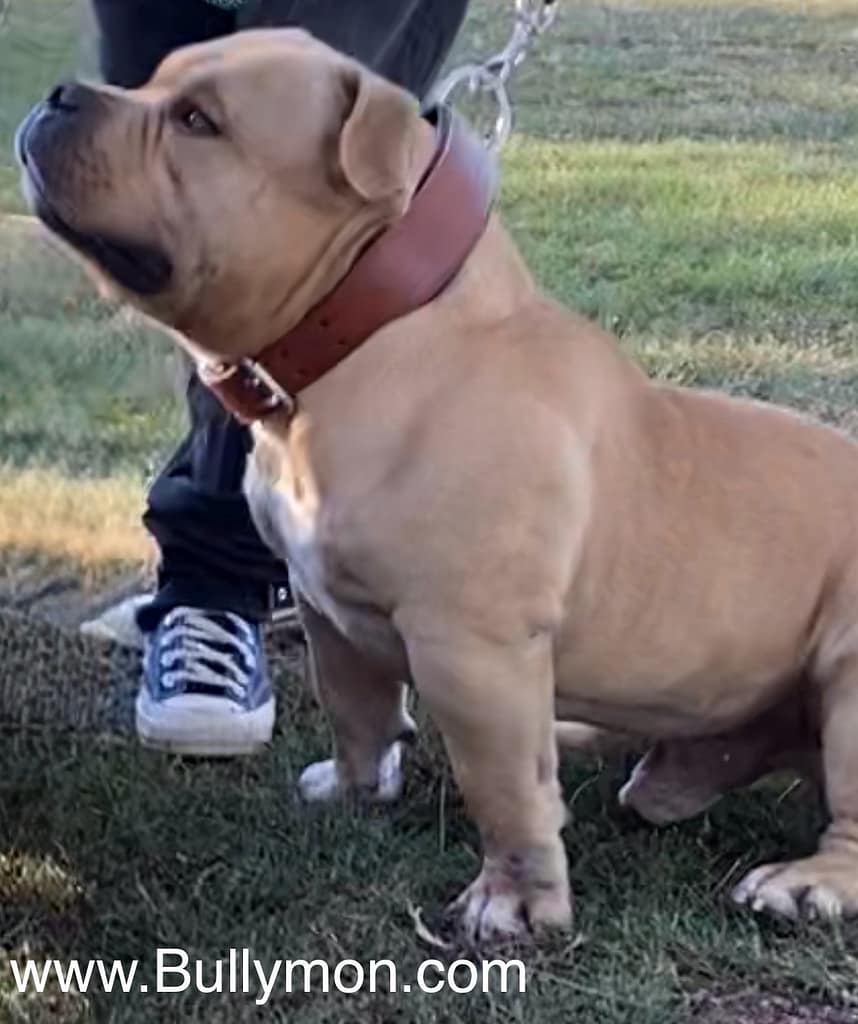
As the event approaches, questions arise about the EXTREME Variety versions of the breed. The American Bully is inherently an extreme breed, but how extreme are we really discussing in this Extreme Bully Variety exhibit show? What traits and features are they looking for? The community has successfully showcased some notably extreme dogs, but are we referring to dogs that are out of type such as more exaggerated features or those that simply don’t conform to the standards? This concern exists across all varieties.
There is also concern that the term “extreme” often excuses dogs that aren’t well-structured. It has been proven that a well-balanced dog can achieve the desired muscle, size, and mass. Labeling a dog as extreme can suggest an overdone appearance that misaligns with the breed’s standard.
Many are questioning what defines “extreme,” especially as we see dogs that surpass current standards.
The American Bully is expected to embody Extreme Bully characteristics and features. The ABKC has previously noted that the original Extreme Bully class was removed from their registry because these traits should already be integral to the American Bully breed standard.
On the other hand, some of the community appreciate the opportunity for varieties like Merle, Miniature, and Extreme Bullies to be showcased, emphasizing that these dogs deserve recognition and offering excitement for quality dogs to gain a platform.
Conversely, critics argue that Merle Bullies, an essential part of the breed’s history, are being sidelined. Some fear that introducing these varieties might dilute the breed standard, leading to lower-quality breeding practices.
Public opinion remains divided. Some suggest that those dissatisfied with the changes should create their own registry, seeing this shift as an opportunity for growth. Others express frustration that the Nationals should prioritize top-tier dogs that adhere to traditional standards rather than experimenting with new varieties.
While the new showcase aims to promote diversity and inclusivity, it’s evident that opinions vary regarding its potential impact on the breed’s future.
Is this the next phase of development for the breed?
This showcase provides our community, especially the minority, with a chance to present these types to a wider audience. It also highlights what these “types” look like today and where they stand in their development. Such as the Miniature Bully (Micro Bully) these dogs share the same functionality as the current pocket variety. The same goes for Merle’s, do they adhere to the standard as far as conformation. It’s a fun event and an opportunity to showcase the best of these breeds in relation to the ABKC.
In young breeds, like the American Bully and all of these (American Bully varieties), change is inevitable as they develop. Early on, many breeds began to emerge, some evolving while others did not. Trends shift, leading to population growth, and what was once in style can quickly fall out of favor. New registries are constantly emerging to adapt to these changes.
The American Bully is still a young breed and far from finished developing. It is evolving, not just changing. We now have a wealth of quality breeding stock, which means we no longer need to rely on terrier-type dogs. It’s important to focus on breeding for true American Bully type.
“Without type, the identity of the breed is lost.”
Source: Facebook, Bullyview, ABKC
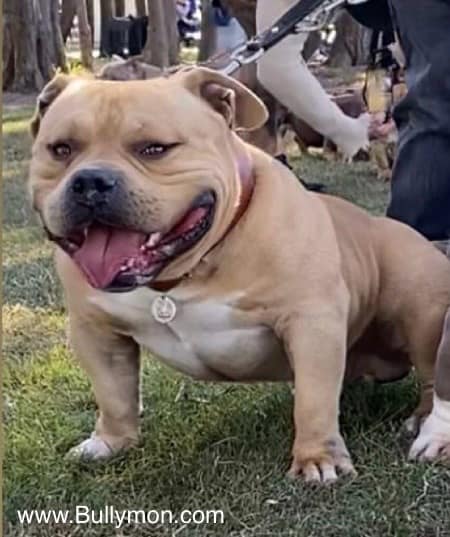
More info on Australian bred Sonic, Astro and Mini Beast and their family tree: Click here