Raising a Strong Bully Puppy: Why Growth Plates Matter
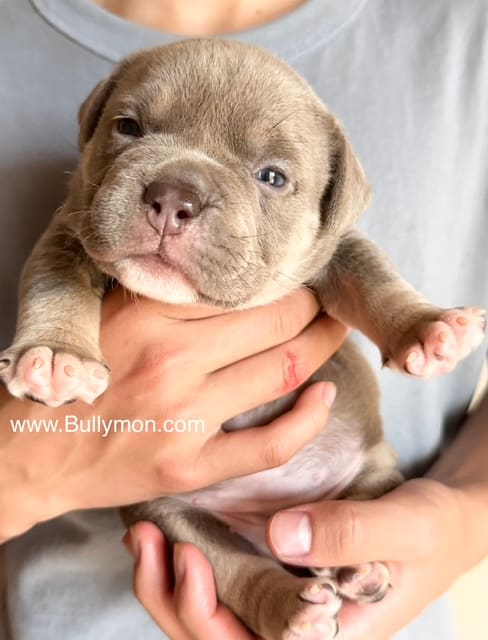
There is nothing more exciting than bringing your new Bully puppy home. Whether you’ve chosen an American Bully in Standard Bully class, Pocket Bully, Micro Bully, Exotic Bully, those first weeks are full of energy, personality, and nonstop movement — followed by long, deep puppy naps.
Because they seem so active, many owners assume puppies can’t get “too much” exercise. Some even believe it’s fine to let them run and play until they completely tire themselves out.
But during early development, that approach can quietly cause long-term damage.
At 8–10 Weeks: They’re Still Under Construction
When you bring home an 8–10 week old Bully puppy, remember this:
Their bones are not fully formed.
Their joints are not fully structured.
Their growth plates have not closed.
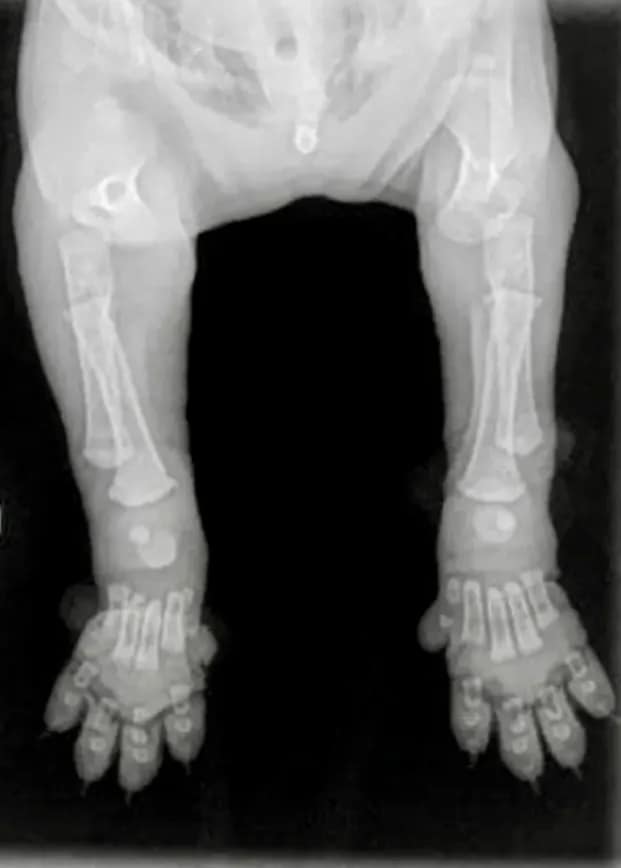
Those oversized paws and wobbly movements aren’t just cute — they’re signs of an immature skeletal system. At this stage, joints are supported primarily by muscle, tendons, and ligaments, with soft cartilage areas at the ends of long bones. The bones are not yet tightly fitted into strong, stable sockets.
Your puppy is literally building its frame.
What Are Growth Plates?
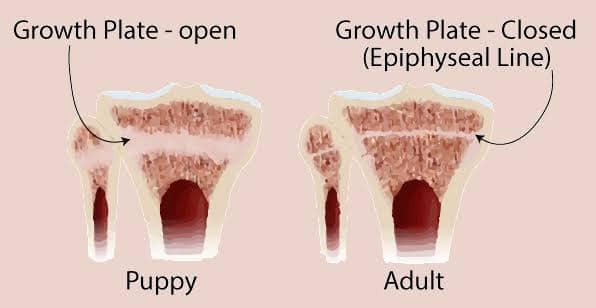
Growth plates (also called epiphyseal plates) are soft areas of cartilage located at the ends of long bones. As your puppy matures, these plates slowly harden (calcify) and turn into solid bone.
For healthy development, bones must grow evenly and at the same rate. This synchronized growth is critical for producing correct structure, balance, and movement — especially in powerful, muscular Bully breeds.
Until the growth plates fully close, they remain vulnerable to injury. They are actually the last part of the bone to harden.
If a growth plate is damaged:
- Growth on that side may slow or stop.
- The opposite side may continue growing normally.
- This uneven development can cause deformities and lifelong structural problems.
One of the most common areas for growth plate issues is between the radius and ulna in the front leg. If one bone stops growing and the other continues, it can result in bowed legs and an abnormal gait that affects the dog permanently. Over time, this imbalance can place stress on other joints and lead to secondary issues such as arthritis or ligament strain.
How Over-Exercise Causes Damage
Normal play is healthy. Controlled movement builds muscle and coordination.
The problem is excessive impact.
Repeated high-impact activity — especially during rapid growth phases — can damage developing joints. This includes:
- Jumping on and off sofas or beds
- Long walks beyond their developmental capacity
- Repetitive running on hard surfaces
- Forced jogging
- Intense rough play
- Slippery floors with no traction
Every big jump creates force between soft, forming bones. In moderation, that’s normal wear and tear. But repeated stress during early growth can interfere with proper skeletal development.
You only get one chance to grow them correctly.
When Are Puppies Most at Risk?
The fastest growth phase typically occurs between 4 and 8 months of age. During this time, growth plates are working hard and are particularly vulnerable.
In many medium-to-large breeds, growth plates begin closing around 8–12 months. However, some larger or more heavily built dogs may take 12–18 months (or longer) to fully mature.
Bully breeds vary depending on size and bloodline, so always monitor your individual dog’s development.
How Much Exercise Is Appropriate?
A commonly referenced guideline (often cited by organizations such as The Kennel Club) suggests:
Five minutes of structured exercise per month of age, twice daily.
For example:
- 3 months = 15 minutes, twice daily
- 6 months = 30 minutes, twice daily
Important: This refers to gentle, controlled exercise — not high-intensity jumping or sprinting.
A calm 30-minute walk is very different from 30 minutes of explosive running and bouncing.
Always:
- Stop before your puppy becomes exhausted
- Avoid forced exercise
- Allow free rest periods
- Prioritize safe footing and soft surfaces
Breeding + Upbringing = Structure
A well-built Bully is the result of two things:
Excellent breeding AND responsible upbringing.
Even the best genetics can be compromised by poor management during the growth phase.
Once your dog is fully mature, you’ll have years to enjoy:
- Strength training
- Conditioning
- Longer walks
- Performance work
- Higher-impact play
But while they are still babies, your focus should be protection and controlled development.
Give the Gift That Can Only Be Given Once
Slow growth is healthy growth.
Controlled exercise builds longevity.
Patience protects structure.
You only get one opportunity to develop your Bully puppy’s foundation. Protect their growth plates now — and you’ll be rewarded with strength, balance, and soundness for life.
If you ever have concerns about your puppy’s development or exercise levels, speak with your breeder and veterinarian for breed-specific guidance.
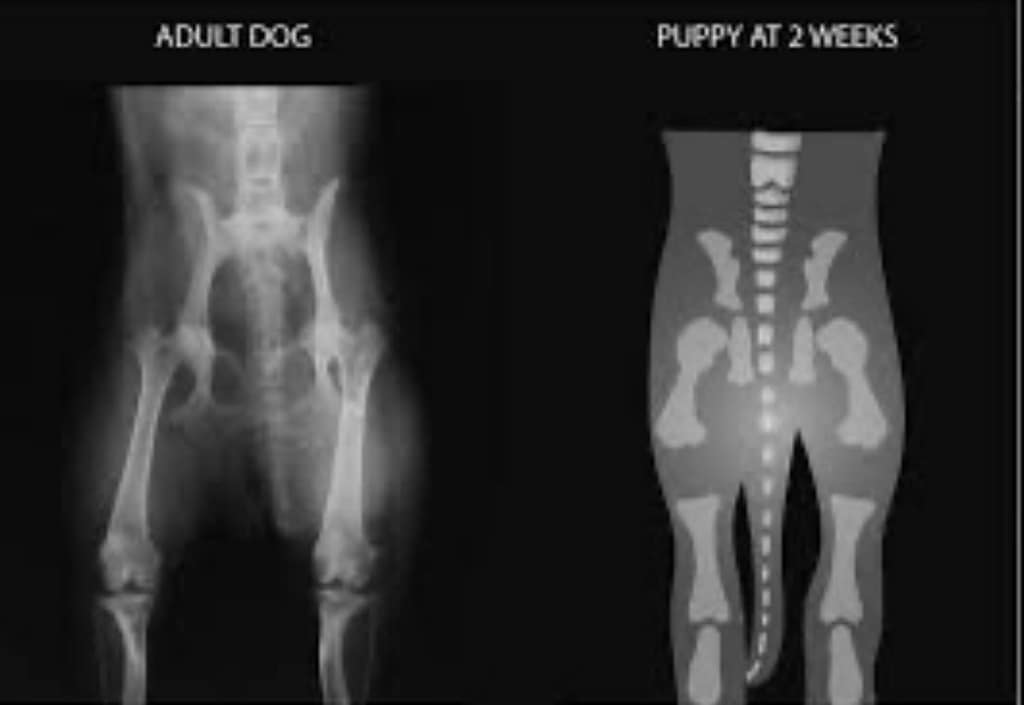
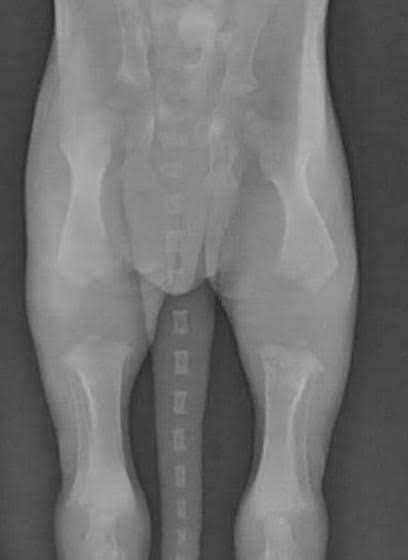
X-Ray of a puppy